
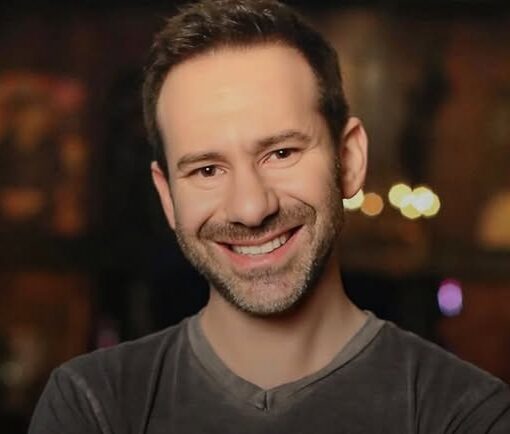
LONDON, UK — The global creator economy is mourning the loss of one of its most influential and reclusive figures following the announcement of the death of Leonid “Leo” Radvinsky. The 43-year-old billionaire, best known as the majority owner of the adult-content platform OnlyFans, passed away peacefully on March 20, 2026, following a prolonged and intensely private battle with cancer.
The announcement, made by a spokesperson for OnlyFans on Monday, March 23, has sent shockwaves through the tech and digital media industries. Radvinsky, a Ukrainian-American entrepreneur who resided in Florida, was the driving force behind the platform’s meteoric rise from a niche subscription site to a global multi-billion-dollar phenomenon that fundamentally reshaped how independent creators monetize their work.
A Private Battle Concludes: The Passing of a Reclusive Leader
The news of Radvinsky’s death was met with surprise by the public, as the billionaire had kept his illness entirely hidden from the spotlight—consistent with the low public profile he maintained throughout his career. According to the official statement from OnlyFans, Radvinsky died “peacefully after a long battle with cancer.”
While the exact nature of the cancer was not disclosed in the official announcement, the company emphasized that the battle had been a difficult and extended one. In the wake of the news, Radvinsky’s family, including his wife Katie Chudnovsky and their four children, has requested privacy to grieve the loss of a husband and father who was as dedicated to his family as he was to his business ventures.
The Architect of the Creator Revolution
Leonid Radvinsky’s legacy is inextricably linked to the transformation of OnlyFans. In 2018, he acquired a majority stake in Fenix International Limited, the parent company of OnlyFans, from its British founders, Tim and Guy Stokely. Under his stewardship, the platform transitioned from a fledgling startup into a cultural and economic powerhouse.
Radvinsky recognized the potential of a direct-to-fan subscription model long before it became a mainstream industry standard. By providing a space where creators—ranging from adult entertainers to fitness experts and musicians—could bypass traditional intermediaries and keep 80% of their earnings, he sparked a “creator revolution.”
During the COVID-19 pandemic, the platform’s growth exploded. As lockdowns shuttered traditional venues, millions of people turned to OnlyFans for income and entertainment. By 2024, the platform boasted over 370 million users and more than 4 million creators, generating billions of dollars in annual revenue. Radvinsky’s business acumen turned a controversial niche into one of the most profitable tech companies in the world, with the billionaire reportedly receiving over $1.8 billion in dividends since 2021.
Beyond OnlyFans: Philanthropy and Venture Capital
While frequently characterized by his ownership of a “porn empire,” Radvinsky’s professional interests and personal contributions were far more diverse. He was the founder of Leo, a venture capital firm established in 2009 that focused on emerging technologies and open-source software. He was a vocal advocate for internet privacy and the democratization of digital tools.
In his private life, Radvinsky was a prolific philanthropist. Following his death, details emerged regarding his significant contributions to medical research and social causes. He was a major donor to the Memorial Sloan Kettering Cancer Center, the University of Chicago Medicine, and the West Suburban Humane Society. Ironically, the man who built a fortune in the digital world spent much of his final years supporting the very medical institutions that battle the disease that eventually claimed his life.
An Early Life Rooted in Tech
Born in the Ukrainian port city of Odesa in 1982, Radvinsky moved to the Chicago area with his family as a child. A child prodigy in the world of computer programming, he began developing websites as a teenager. He attended Northwestern University, where he studied economics and graduated at the top of his class in 2002.
His early career was marked by both innovation and controversy, as he navigated the burgeoning world of online adult entertainment and affiliate marketing. Before acquiring OnlyFans, he founded MyFreeCams, a pioneer in the live-streaming industry. These early experiences provided the blueprint for the subscription model that would later make him one of the wealthiest people in the world, with a net worth estimated by Forbes at $4.7 billion at the time of his passing.
The Future of OnlyFans and a Complicated Legacy
Radvinsky’s death leaves significant questions regarding the future ownership and direction of OnlyFans. In 2024, he reportedly moved his ownership stake into the “LR Fenix Trust,” a move that analysts suggest was intended to ensure the stability of the company in the event of his passing. At the time of his death, the platform was reportedly exploring a sale that could value the company at over $8 billion.
His legacy remains a subject of intense debate. To his supporters, he was a visionary who empowered millions of independent workers to achieve financial independence. To his critics, he was a reclusive kingpin of a platform that faced ongoing scrutiny over safety, ethics, and the nature of adult content.
However, the humanizing reality of his long, secret struggle with cancer has shifted the narrative in the days following his death. The tech world has lost a brilliant, if elusive, mind—a man who preferred to let his platforms speak for him rather than taking the stage himself.
A Community Honors a “Quiet Giant”
As tributes pour in from the tech community and creators alike, the prevailing sentiment is one of respect for a man who changed the digital landscape. “Leo was a quiet giant,” one industry colleague noted. “He didn’t need the applause; he just wanted to build things that worked. The internet looks the way it does today because of his influence.”
Leonid Radvinsky’s story is a quintessential modern tech saga—an immigrant who leveraged his coding skills to build a global empire, only to face a very human battle behind closed doors. As the sun sets on his career, his influence remains visible on the screens of millions, a testament to a man who understood the future of the internet long before it arrived.
Leave a Reply