
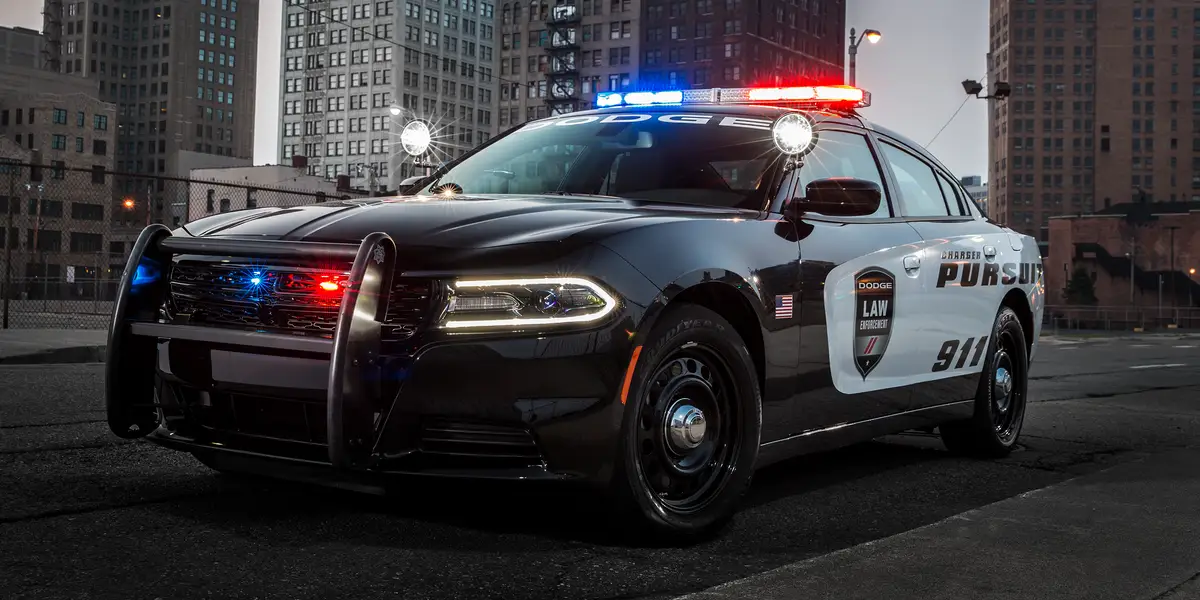
Charlotte-Mecklenburg Police Department Investigates Fatal Pedestrian Crash on The Plaza,Anthony Stewart, 65, Pronounced Dead at Scene.
The vibrant hum of Friday evening in east Charlotte was pierced by sirens and shattered by tragedy. In an incident that has left a community mourning and authorities searching for answers, the Charlotte-Mecklenburg Police Department (CMPD) is conducting a thorough investigation into a fatal pedestrian crash that claimed the life of 65-year-old Anthony Stewart.
The collision occurred at approximately 7 p.m. on February 6th in the 3900 block of The Plaza, a bustling corridor that serves as both a commercial artery and a residential lifeline for the surrounding neighborhoods. As detectives work to piece together the moments leading to Stewart’s untimely death, the event casts a stark and sorrowful light on the ever-present need for heightened road safety awareness.
CMPD officers and Medic personnel responded swiftly to the scene following multiple 911 calls reporting that a pedestrian had been struck by a vehicle. What they encountered was a critical situation. Anthony Stewart, a resident of the community, was found with severe injuries.
Despite the rapid and professional efforts of first responders who administered emergency aid on the pavement, the trauma sustained was too great. Stewart was pronounced deceased at the scene, a reality that transformed an active investigation into a death notification and the start of a profound grieving process for his family and friends.
In the immediate aftermath, the Charlotte-Mecklenburg Police Department moved into a meticulous and multi-faceted investigative mode. The portion of The Plaza near the 3900 block was sealed off for several hours, a necessary disruption as the department’s Major Crash Investigation Unit took command.
The yellow glow of police tape and the flashing lights of cruisers created an eerie tableau against the backdrop of a typical Friday night. Forensic technicians and collision reconstruction specialists performed the painstaking, granular work that defines such probes. They documented the final resting place of Stewart’s body, measured potential skid marks with laser precision, and scanned the asphalt for any vehicle debris—a broken piece of headlight casing, fragments of paint—that could serve as a mechanical fingerprint.
A significant and pressing gap in the public narrative, one that CMPD is actively working to fill, concerns the vehicle and driver involved. As of the latest updates, authorities have not released any identifying details. The central questions remain unanswered: What type of vehicle was involved—a sedan, an SUV, or a larger truck? Did the driver remain at the scene, or did they flee? If they remained, have they been cooperative? CMPD’s public statements have been deliberately cautious, emphasizing the ongoing nature of the investigation and the priority of ensuring factual accuracy before releasing information.
This restraint, while frustrating to a public seeking immediate answers, is standard and crucial procedure. It protects the integrity of the investigation, ensures potential witnesses are not influenced by prematurely released details, and guards against the spread of misinformation.
The absence of these details has not stopped the community from feeling the weight of the loss. The Plaza, particularly in the 3900 block area, is a microcosm of east Charlotte’s character. It is lined with a mix of local businesses, shopping plazas, apartment complexes, and single-family homes. It is a road where people commute, run errands, and walk to nearby conveniences.
For residents familiar with the area, the news is not an abstract report from a distant part of the city; it is a tragedy that occurred on a stretch of pavement they traverse daily. The knowledge that Anthony Stewart, a 65-year-old neighbor, lost his life there imbues the familiar landscape with a new and somber significance.
“It’s heartbreaking and it’s scary,” shared a long-time resident who lives just off The Plaza. “You see people walking along here all the time, to the bus stop, to the store. It makes you think twice about how fast you’re going, how alert you are. My heart just goes out to that man’s family.”
In response to the informational void, CMPD has issued a direct and urgent appeal to the public. Detectives are seeking anyone who witnessed the collision or the events immediately before or after it. They are especially interested in speaking with drivers who were in the area around 7 p.m. on that Friday evening and who may have dashcam footage recorded on their vehicles. Even footage that does not show the collision itself could be invaluable—it might capture the involved vehicles’ driving patterns minutes prior, or provide context about traffic and lighting conditions.
Citizens with any information, no matter how seemingly insignificant, are urged to contact the Charlotte-Mecklenburg Police Department directly or call Crime Stoppers to provide an anonymous tip. In cases like this, community cooperation is often the catalyst that unlocks a stalled investigation.
Beyond the specific facts of this case, the death of Anthony Stewart resonates as a painful emblem of a persistent national issue: pedestrian safety. According to data from the Governors Highway Safety Association (GHSA), pedestrian fatalities across the United States have reached levels not seen in decades. North Carolina, and Charlotte specifically with its rapid growth and increasingly congested roads, is not immune to this troubling trend. The factors are complex and interconnected: higher vehicle speeds, the proliferation of larger, heavier SUVs and trucks that cause more severe pedestrian trauma, infrastructure designed primarily for vehicle throughput rather than pedestrian safety, and the pervasive distraction of both drivers and pedestrians by smartphones.
The location of this crash invites scrutiny of the local environment. The Plaza (also designated as NC Highway 115) is a major four-lane thoroughfare. While it serves vital transportation needs, roads of its design can pose significant risks to pedestrians, especially in sections where commercial density creates frequent reasons for people to cross on foot. Key safety features like well-marked, highly visible crosswalks; adequate street lighting; pedestrian refuge islands; and traffic-calming measures are critical in such corridors. It is likely that CMPD’s investigation will include an assessment of the roadway itself, which could later inform conversations with the North Carolina Department of Transportation (NCDOT) about potential safety upgrades.
For now, the human element remains paramount. Anthony Stewart was more than a victim in a police report; he was a 65-year-old individual with a lifetime of experiences, relationships, and a story that ended far too soon on a Charlotte street. The grief his family is enduring is private and profound. In their statement, CMPD respectfully asked the community to keep Stewart’s loved ones in their thoughts and to respect their privacy as they navigate this devastating loss. This request for compassion and space is a crucial part of the community’s response, balancing the public’s need for information with a family’s right to mourn in peace.
As the investigation continues, the Charlotte-Mecklenburg Police Department faces the dual responsibility of finding factual truth and maintaining public trust. They must navigate the tension between transparency and procedural secrecy, providing updates when possible while avoiding speculation. The department has emphasized its commitment to providing accurate information and has asked the public to avoid sharing unverified rumors, which can cause secondary harm to the grieving family and hinder the investigative process.
The death of Anthony Stewart is a stark, sorrowful reminder. For drivers, it underscores the non-negotiable imperative of vigilance—slowing down in areas with pedestrian activity, eliminating distractions, and understanding that a vehicle is a potentially lethal weapon. For pedestrians, it highlights the need for defensive walking: using crosswalks whenever possible, making eye contact with drivers before crossing, wearing visible or reflective clothing at night, and avoiding the assumption that a driver sees you. For the city and its planners, it is a call to consistently evaluate and redesign dangerous corridors to protect vulnerable road users.
In the days to come, CMPD will continue its work: reviewing any recovered surveillance video, analyzing physical evidence from the scene, and following every lead provided by the public. The hope is to provide the Stewart family with answers and, if the evidence dictates, to hold any negligent party accountable. For the community of east Charlotte, the memory of this Friday evening will linger. The best tribute to Anthony Stewart’s memory may be a collective recommitment to shared responsibility on the roads—a commitment to see one another, to slow down, and to prioritize the preservation of life over the haste of a journey. In that collective awareness, perhaps, lies the path to preventing the next tragic headline.
Leave a Reply